Or as we say in English, birdwatching!
It’s always good to have a relaxing weekend, I want to get absolutely no work done this weekend so instead I’m going to take up a new hobby: birdwatching!
A friend recently informed me of the Merlin app, it’s an app that can identify birds by their call. So far it’s been really useful in helping me learn more about the birds in my area and today I want to go on a little hike and see what birds I can find. After that I’ll come back and look them up in my cute lil bird book to hopefully learn more about the little guys I see and hear every day. So lets go!
The Hike
I’m going to head to a place I’ve been to quite a few times now, the Shady Lane Arboretum. This massive green space is sure to have many new birds i havent identified yet. On my way though, I already found a few new ones to start my list off so let me run you through them:
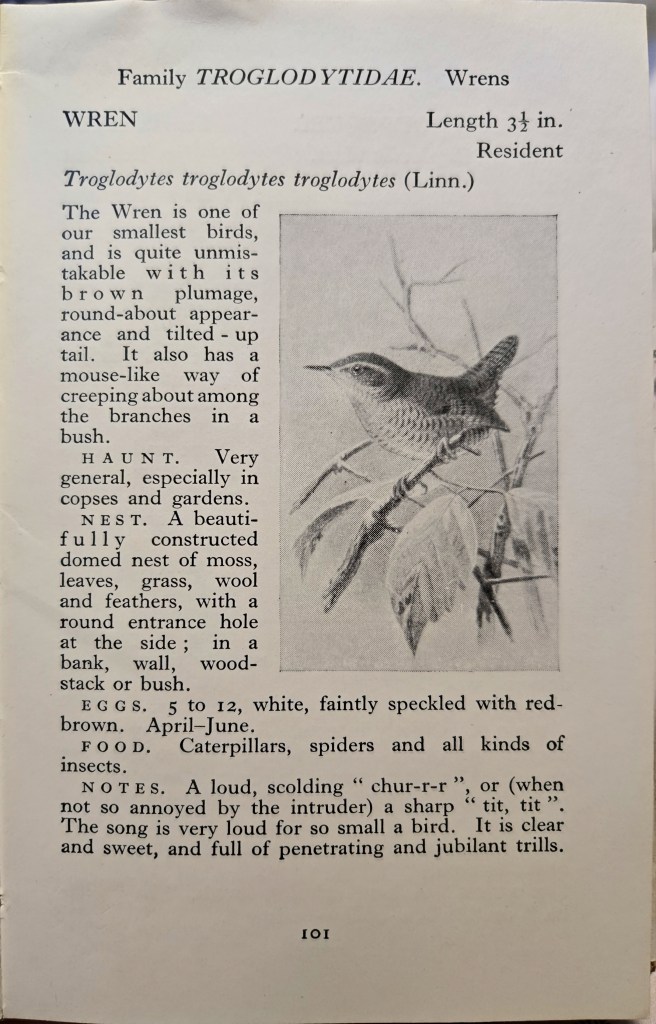
Troglodytes troglodytes – Eurasian Wren
When I was younger I always though a troglodyte was like a really horrible person, but the word has multiple meanings. The proper usage of the word refers to someone who lives in a cave similar to a hermit, but in this case its a type of bird!
This bird is really quite small and has an extremely spherical shape. They move very fast through the branches so can often be quite difficult to spot, but you can definitely hear them through their high pitched chirps.
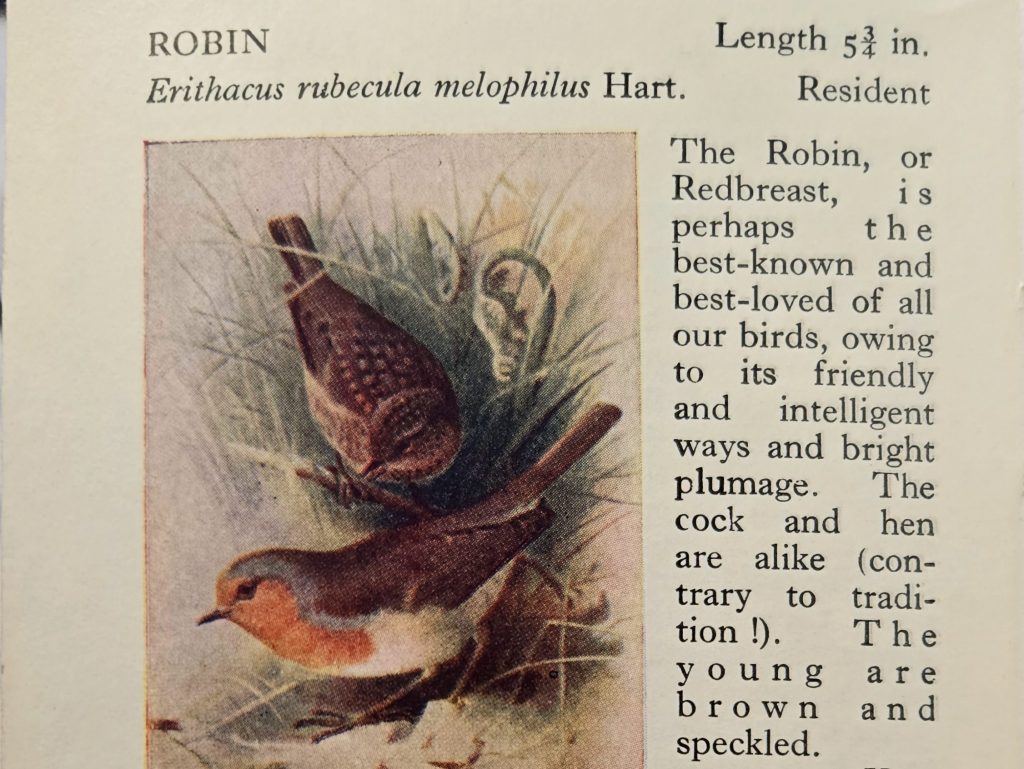
Erithacus rubecula – European Robin
Robins are incredibly common birds that are often seen throughout the year in places like the UK. Still the sight of one makes your heart flutter a little when it floats down in front of you on the forest path.
These birds also have quite recognisable calls, especially when heard in the mid afternoon.
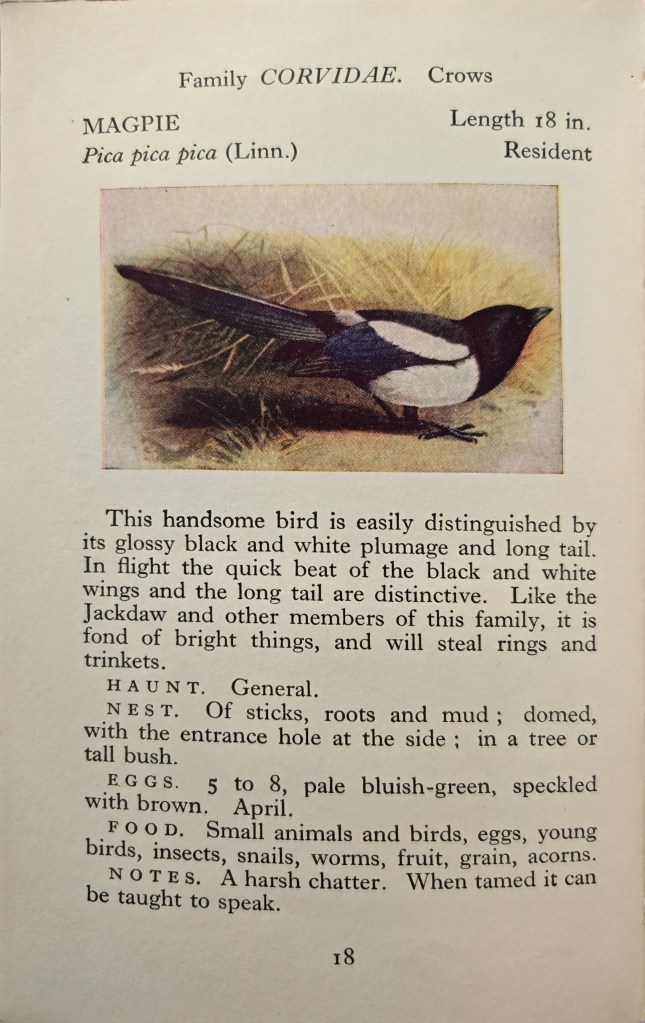
Pica pica – Eurasian Magpie
That’s the most adorable scientific name I’ve ever had the pleasure of researching. These birds are incredibly endearing, at least at first. Magpies are actually very intelligent, they are proficient thieves of shiny objects and if tamed properly can actually be taught how to speak.
That being said, once you’ve heard their call you often wish to never hear it again, it is quite the racket of chattering that seems to cut through all of the other bird songs. Ah well, at least the black and white colouration is nice to look at!
*
I continued my walk across the fields towards the arboretum. It’s still quite cold here in Leicestershire despite us being halfway through March, I hope it warms up more soon so I can get on with some Spring adventures!
Once I arrived amongst the trees, I set my phone to listen out for the birds in the trees, rare or common I wanted to know just who I was listening to. The app did not disappoint!
Fair warning, this blog post is less about my adventure and more continuous factfiles about birds. Of course with the occasional spot from my walk dotted in!
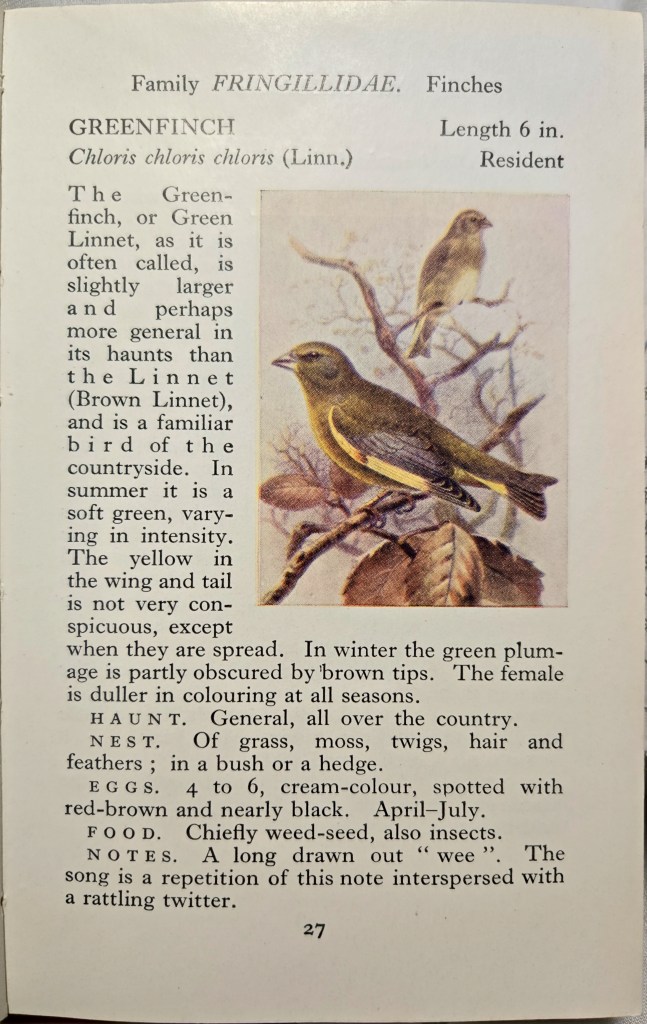
Chloris chloris – European Greenfinch
The Greenfinch is, as its name suggests, green! However, the birds colour is made of interspersed yellow and grey feathers that give it a greenish look overall.
The Greenfinch has a very cute and melodic call, that is until it makes a “ZEEEEEE” noise halfway through. Still it’s these little characteristics that help it to be identified!
Parus major – Great Tit
Not a euphamism I’m afraid. The great tit is the largest of the tits (keep it together), a type of bird known for its small body but large voice. These birds can often be seen hanging upside down from branches, a method they use to catch insects (their main food source).
Great tits are recognisable by their signature call which follows and up and down repeating pattern similar to: “Twee-dee-twee-dee-twee-dee”.
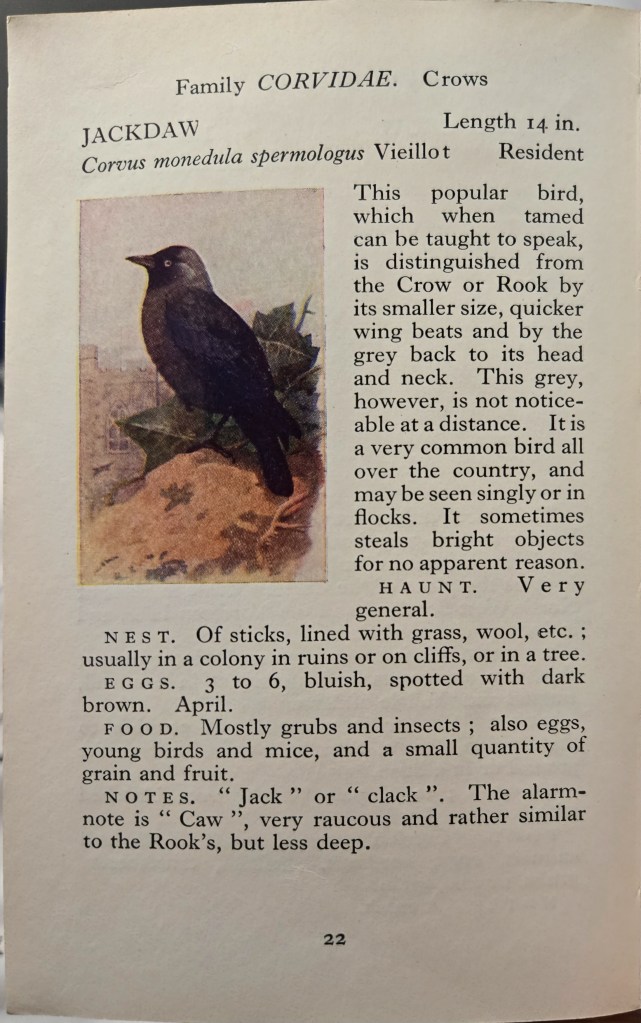
Coloeus monedula – Eurasian Jackdaw
Similar to their cousins the Crows, Jackdaws are birds that like to watch people from distant trees as if they know all your secrets. Not that I speak from experience or anything aha ha…
These birds are almost completely black and make an almost gutteral Caw sound. This only becomes all the more terrifying when you learn that their flocks can often number in the hundreds in Summer.
Streptopelia decaocto – Eurasian Collared-Dove
As much as everyone admires Doves, this type is actually very closely related to the common Wood-Pigeon which everyone seems to dislike.
This Dove actually gets mistaken for Pigeons a lot, most likely due to their similar sounding calls with the Dove often heard making a: “Co-coooo-co Co-coooo-co” sort of sound.
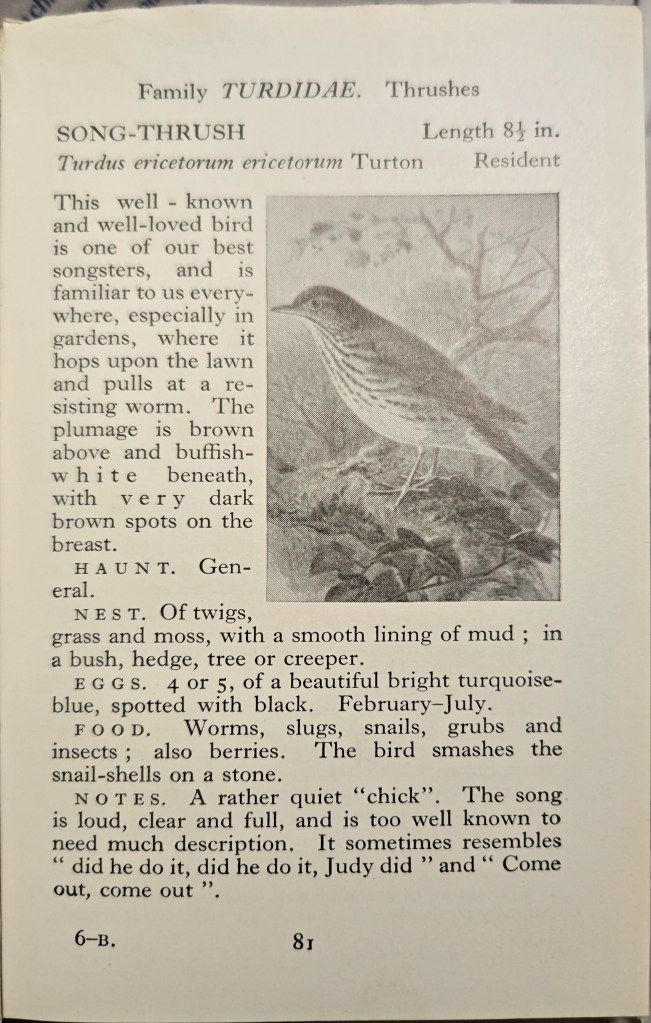
Turdus philomelos – Song Thrush
Song Thrushes are also quite common birds to the UK. Their signature “peep peep peep” calls are often the backdrop to any woodland walk.
However, Song Thrushes are very carniverous also and can often be found brutally bludgeoning Snails to death. The more you know!
*
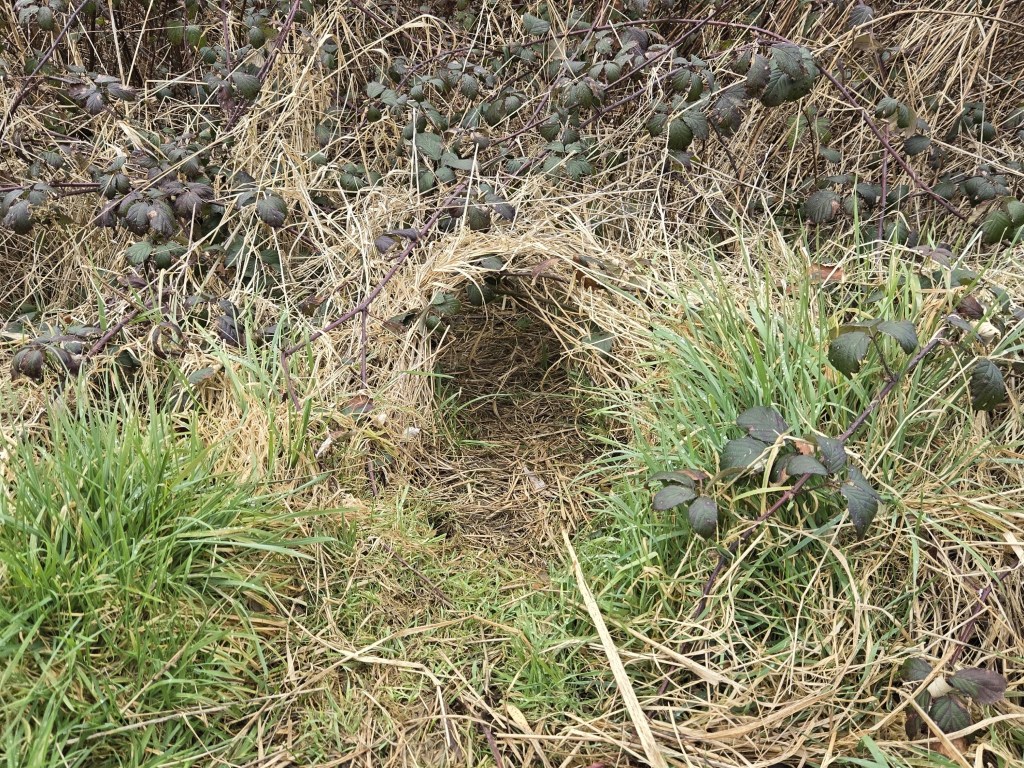
Continuing my walk around, I came across some interesting sights. The first of note was a small hole in the bushes, it looked much too small to be made by any human or pet, my theory is perhaps some sort of fox or rabbit? Let me know if you have any ideas in the comments!
Now that it’s March, things are becoming a bit more Spring-like in nature. That means things like blossom trees, animals everywhere, and of course: Spring flowers. The main one of course, I think you’ve probably heard of…
Narcissus pseudonarcissus – Daffodil
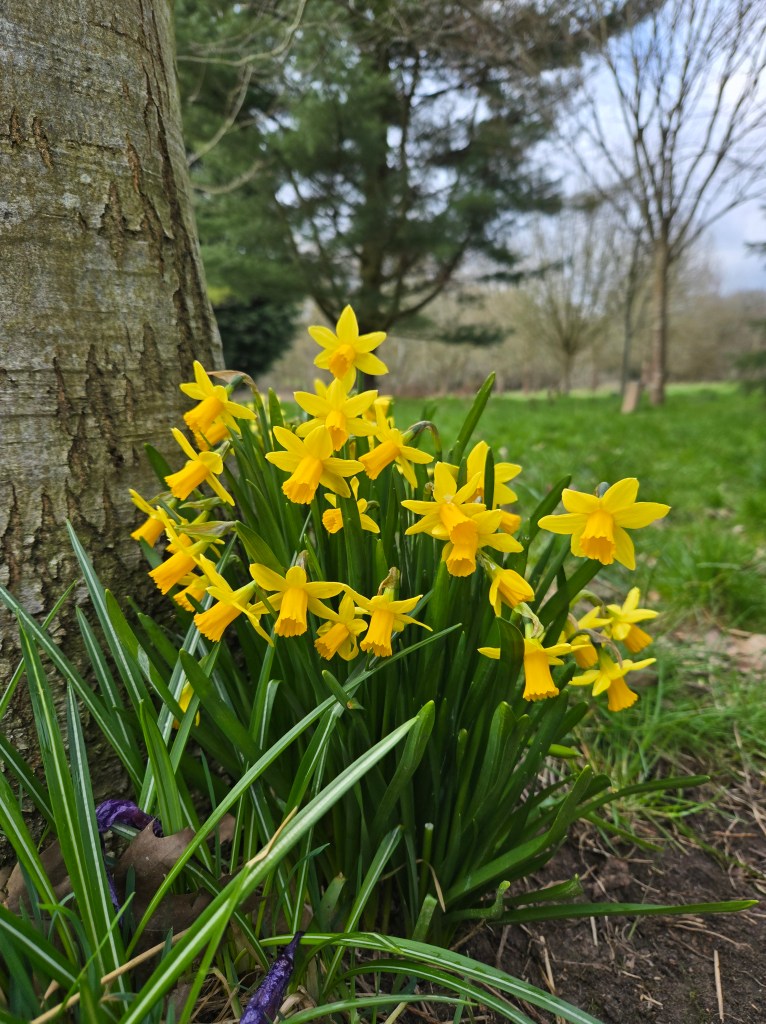
Daffodils! Really quite beautiful little wildflowers, these perennials are known across Europe to determine the start of Spring!
It has been an incredible start for these flowers, they are EVERYWHERE. I thought maybe someone was going around planting them but no they have completely sprouted up all on their own and are starting to take over the British countryside.
Fun Fact: Most people think the scientific name of Narcissus comes from the myth of the one so in love with their own reflection, but actually research has shown that knowledge of Daffodils massively predates the story of Narcissus. Perhaps the egg came before the chicken!
*
My walk continued around the Arboretum, the trees are starting to grow their leaves, the blossom is flying in the wind, and the dogs always want to be petted! Thankfully, there were a couple more birds that wanted my attention…
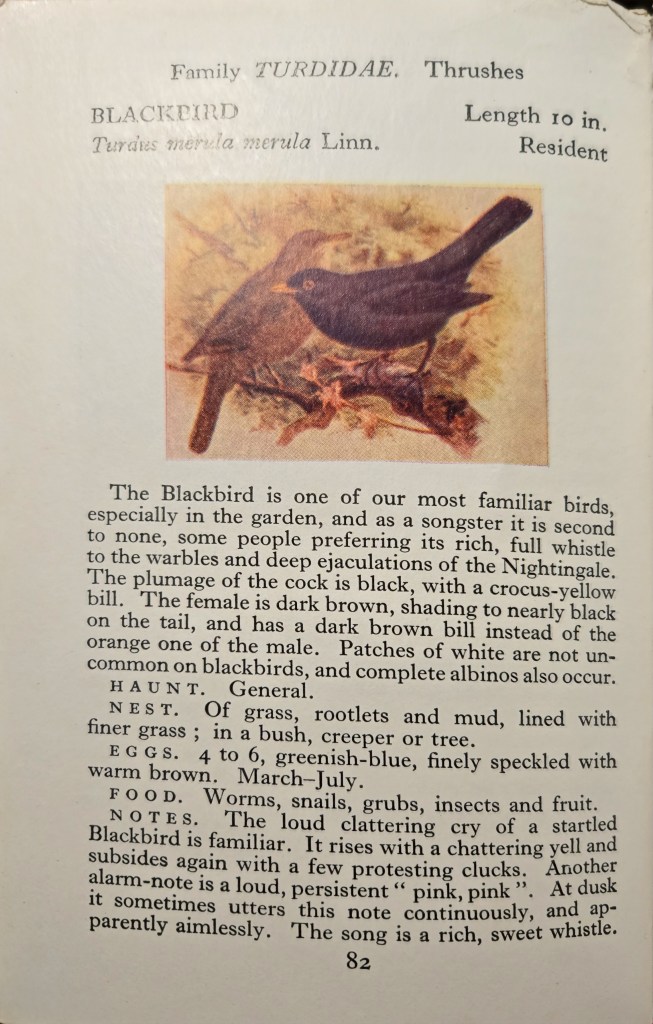
Turdus merula – Eurasian Blackbird
Blackbirds also fall into that category of birds that look really similar but slightly different from eachother, like Ravens and Crows. Each of those birds has a little thing about them that sets them apart from eachother though, these Blackbirds have little yellow rings around their eyes and a very yellow beak!
Additionally, despite their similarity to Crows, Blackbirds have very sweet melodic calls which has often been described as caroling.
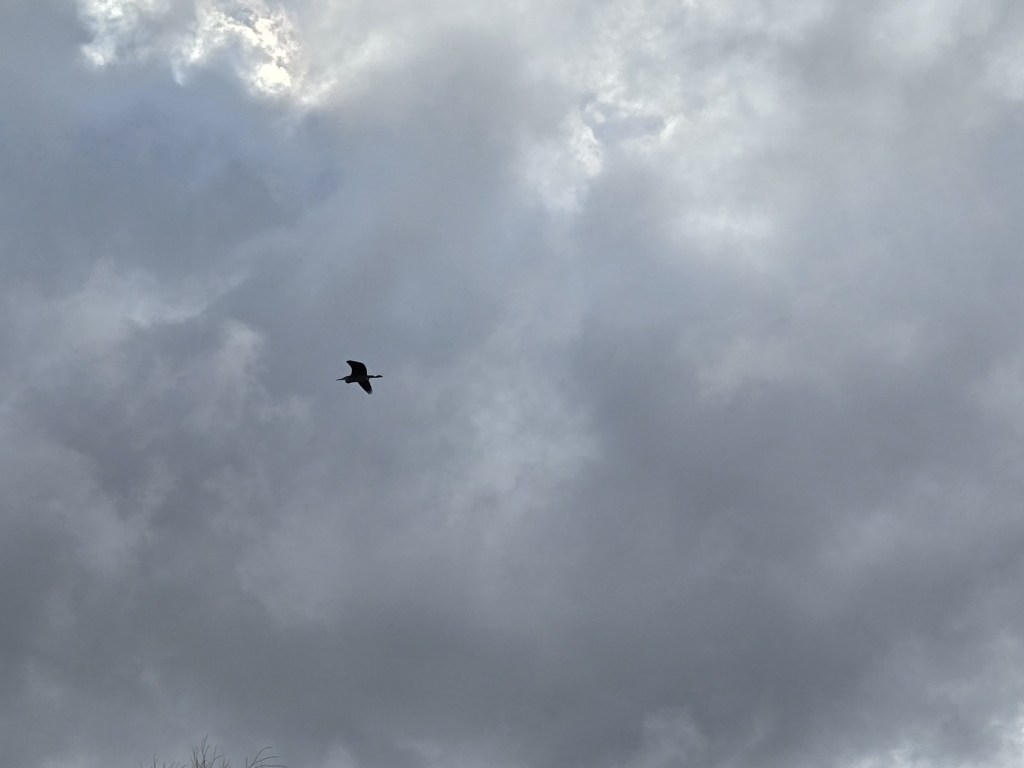
Ardea cinerea – Gray Heron
How’s this for an interesting bird!
Heron’s are often found in wetlands, so ponds, lakes, marshes stuff like that. They are HUGE mostly from their legs and neck which can help them get up to a metre in height. I did my best to get a picture of this Heron as it flew around but it might not be very clear. Definitely got to work on my nature photography skills!
All in all, today was a fun day. I definitely learned a lot about the different birds in the area and what kind of things I’m hearing whilst I’m walking around. If you’d like to try the app out yourself I recommend checking out their website and downloading it yourself through the following link: https://merlin.allaboutbirds.org/
Can’t wait until my next post, I think I’ve got a good announcement or two to share!Until then…
Arrivederci!
Cassie


Leave a comment