You know I’ve just realised that would have been an excellent title for when I was in Italy, Touring Turin, it was right there!
Anyway, today I’m not in Italy, I’m in France! More specifically, Toulouse, where I’ve been staying for the past couple weeks as part of my studies. During the week I don’t get much time for exploring so I’ve been limited to the weekends to truly get to take in the culture. Last week I explored the area local to me on the Canal du Midi, and this week I’m checking out the city centre of Toulouse to see just whats happening!
Prepping up
Here in the South of France at the end of June, it’s very hot. It’s typical for the days temperatures to be scraping 40 here and the air to get quite humid, so I’ve got to be making sure I’m preparing for the day properly.
I’ve found for myself that the best clothes to wear are quite loose fitting ones, I have some baggy trousers and a large button up shirt that’s perfect for this and compliment eachother quite well!
Next up, I need to stay hydrated. I have a little fridge in my bedroom where I keep my two 500ml water bottles stocked up and ready. They’re nice and cold when I take them out and usually keep that way for a couple hours, so I wont be parched. Also, I’ve heard that Toulouse has many water fountains around the city similar to how it was in Turin and Rome, so I’ll be able to refill throughout the day and shouldnt run into any problems.
Finally, after lathering myself in sun cream, I’m ready to head out! Luckily there’s a direct bus from my campus straight into the city centre, so before I knew it I was already walking along the ancient Toulouse streets.
The City of Toulouse
My first stop on my tour is the Museum de Toulouse! But I won’t talk about it here, there was so much to see inside that I’m saving that for another post. Today I’m all about the outside city so you’ll have to wait to see what manner of creatures I encountered there 😀
After finishing my tour of the museum, I headed into the surrounding park, known as the…
Jardin des Plantes
Whilst I say park, it’s described more as a garden by everyone here, hence Jardin, the French word for garden. Located towards the south of the city centre, the Jardin des Plantes was founded in 1794 as a medicinal garden, where the plants were used by students at the nearby university to study!
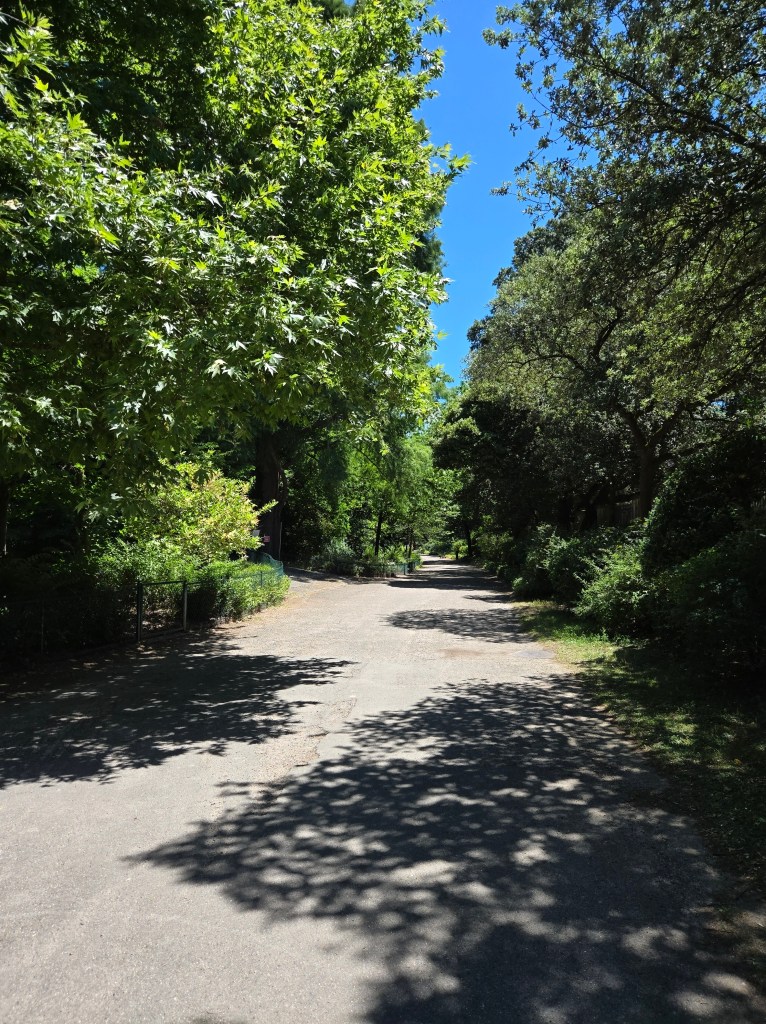
Since then, the garden has become much more diverse, with all sorts of different trees and flora to be found!
The main focus for my adventure here today is the circular stream that can be found in the middle of the park. This stream is dotted with bridges that allow you to get over to the island found in the centre.
This island, which is mostly in the shade of the self grown trees, has many winding paths. One path leads up to the highest point where a gazebo can be found, another leads down to a statue known as the Statue de Jean de La Fontaine (Statue of Jean of the Fountain) which depicts a woman made of birds!
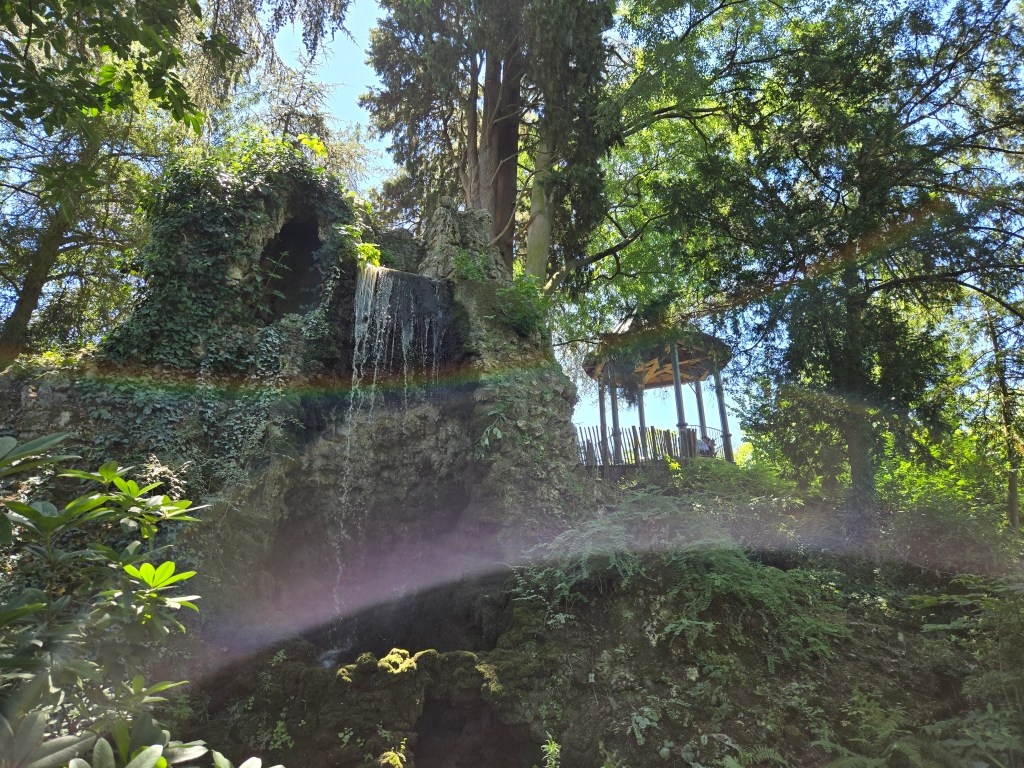
For me though, the highlight of the island was a man made waterfall that trickles down into a stream connecting with the main one. On such a hot day, it’s incredibly how cooling watching such delicate flowing water can be. That coupled with watching all the different butterflies and birds dancing around it made it a beautiful experience to start my day.
I traipsed around the garden for a little longer, before eventually making my way out to the main road and turning left, heading towards…
La Garonne
The Garonne is the river that Toulouse is built around. It’s one of the largest rivers in the country, extending 529 km from the Spanish mountains to the south, out through the Gironde Estuary near Bordeaux. The river has been a popular spot for thousands of years, with it’s area in Toulouse being used for trade between the Atlantic, the Mediterranean and more local populations since the 2nd Century BCE!
There are a few bridges crossing the Garonne here in Toulouse. The first one I’m crossing here is called the Pont Saint-Michel, but later, I’ll be crossing another bridge which is more well known!
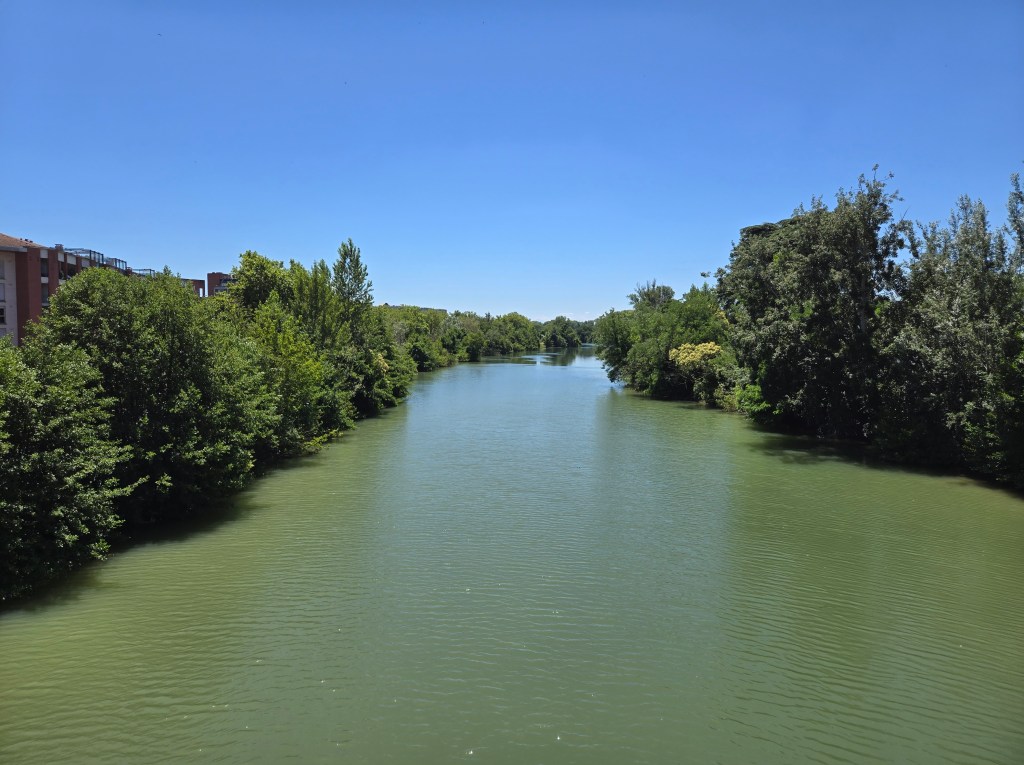
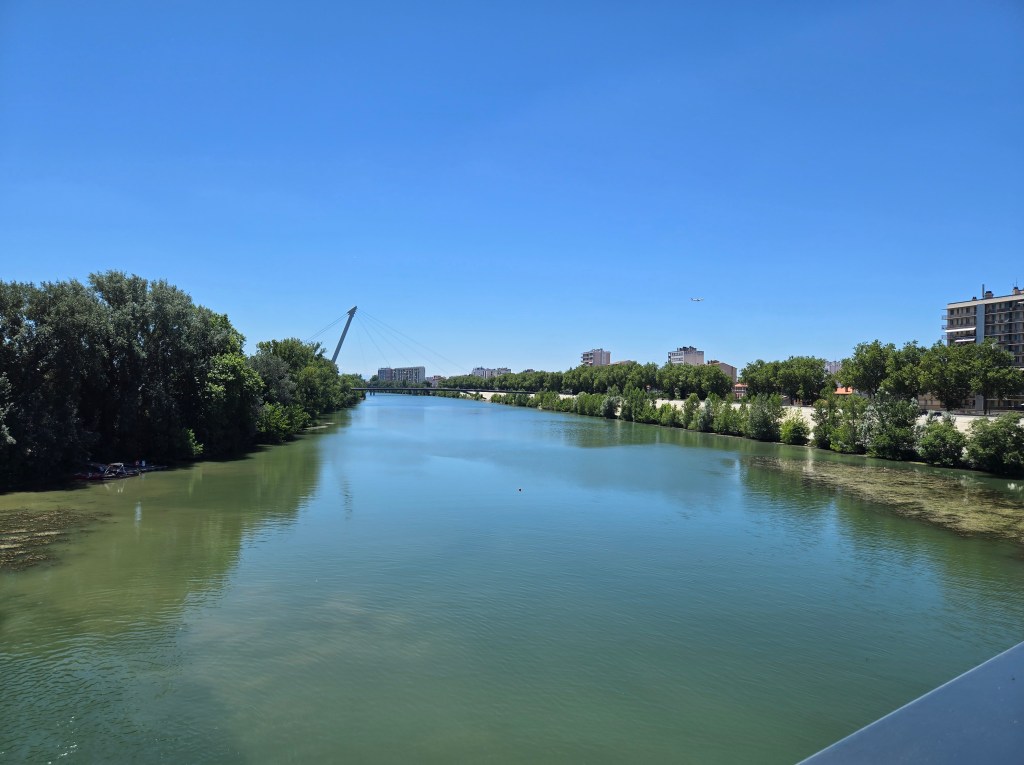
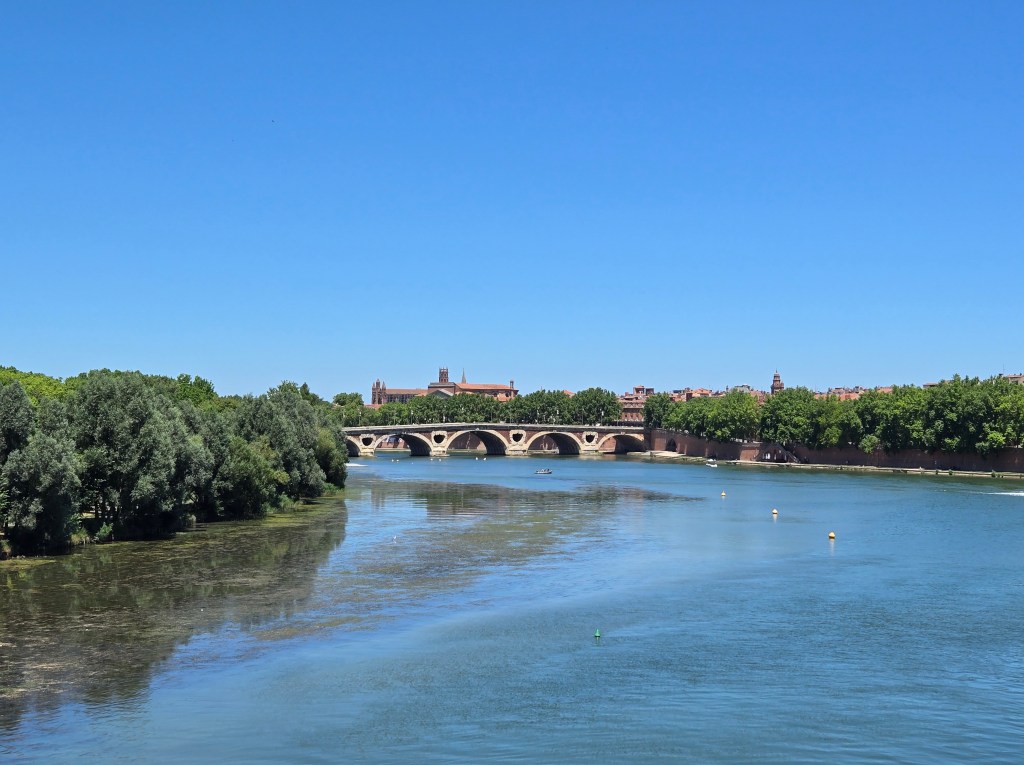
Bridges are a great way to start a tour of a city. From here, you can usually see the whole city skyline and get a good idea as to where to start exploring.
The Garonne is now the fifth continental European river that I’ve seen here on my adventures after the Po, Stura di Lanzo, Tiber, Matter Vispa, and the Rhône! I’m certainly a fan of water.
Once I’d crossed the bridge, I made it to the next park of the day.
Prairie des Filtres
Translating to the Filter Meadow, this is another of the several parks found around the city. This park follows the West side of the Garonne for about a kilometre and is full of green spaces, playgrounds, and cosy spots to sit by the river.
With the sun beating down still, I took a seat under a riverside tree and watched the river flow by.
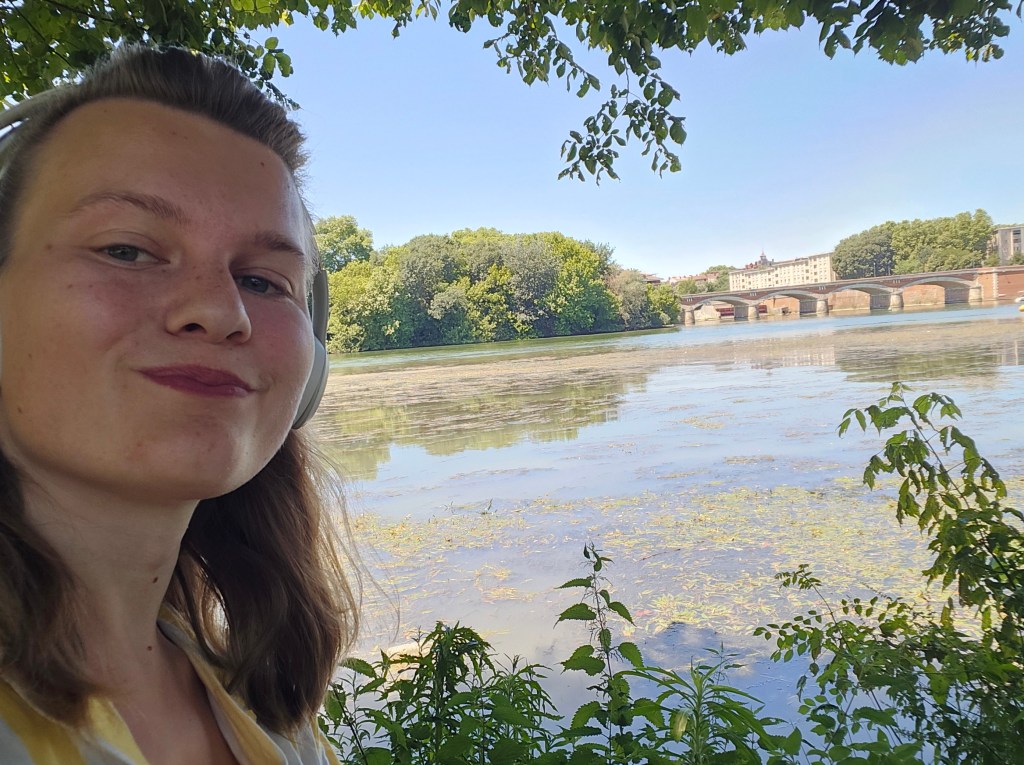
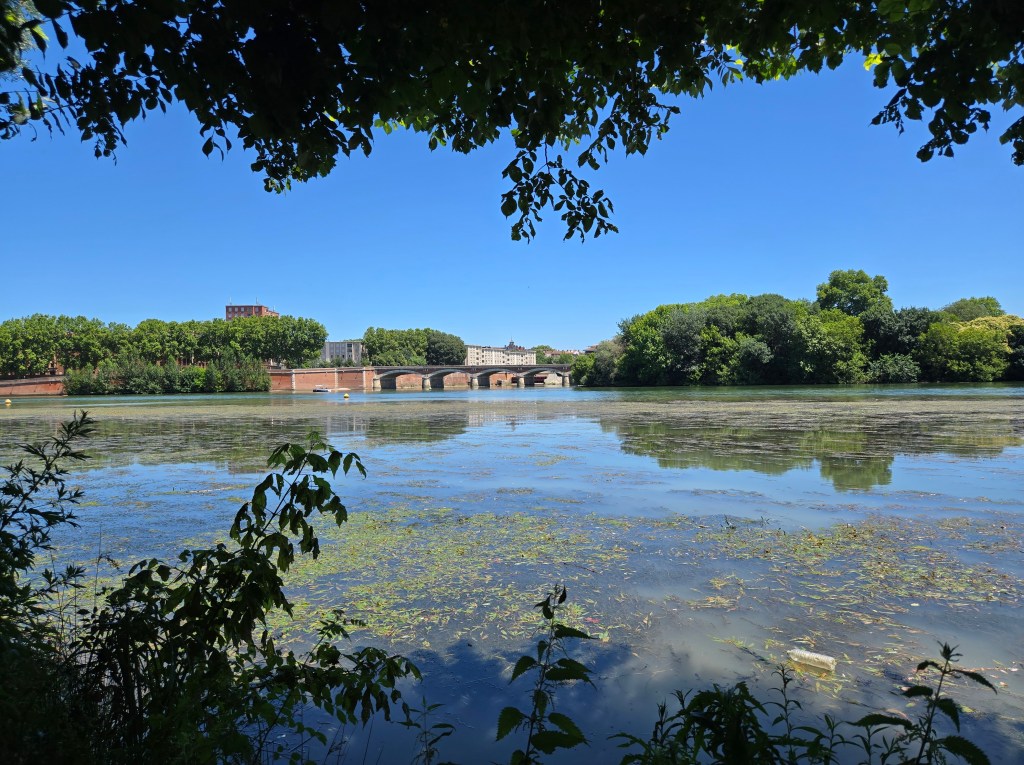
Whilst sat by the river (the shade was amazing) I made and recieved some phone calls, I’ve got quite a few adventures in the works already which means I’m quite the busy woman even when I’m simply walking around! You’ll just have to wait and see what I’ve got planned but don’t worry things will certainly stay interesting around here.
I refilled my water bottles at a fountain by the north exit and continued along the bank of the river. Soon, I came across the more popular bridge I spoke of earlier, and what a sight it was!
Pont Neuf
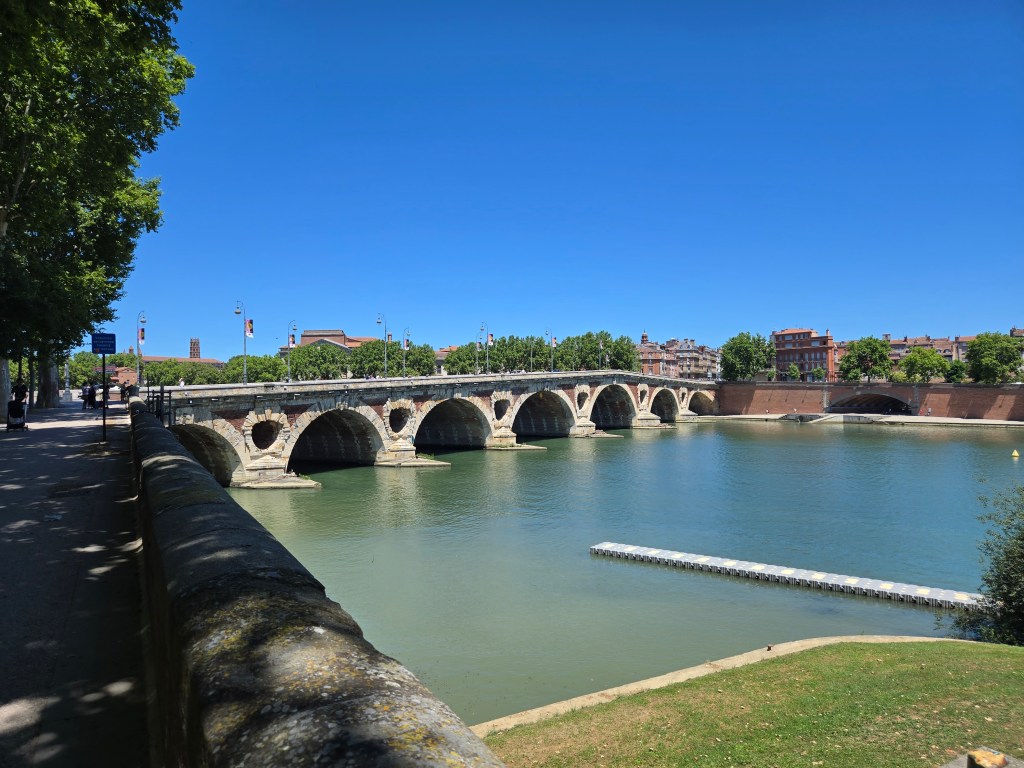
Translating to New Bridge, Pont Neuf is actually one of the oldest bridges in Toulouse. Its name comes from it being one of the first bridges to be built after the ones built by the Romans or the one built for the hospital nearly 500 years prior, at the time it was very much the new bridge.
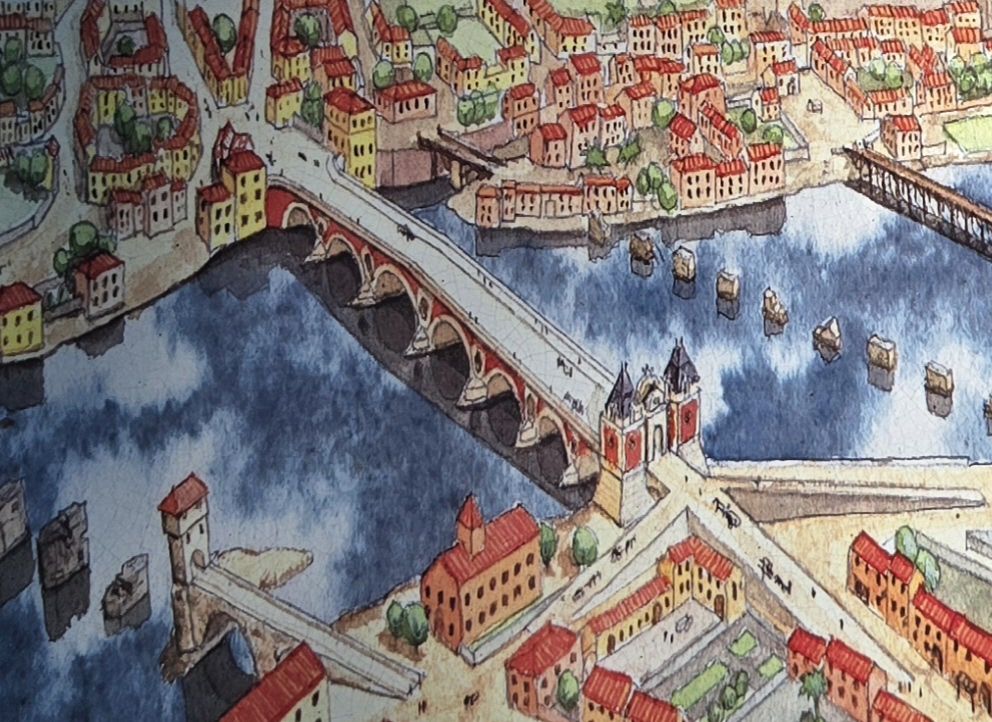
The bridge took about 90 years to be built and spans a section of the river over 200 metres wide! Originally, the bridge had a gatehouse at the western end of the structure which can be seen in some old paintings and drawings, such as one that I found on a notice board nearby.
Toulouse is full of these kinds of notice boards, giving lots of information about the different monuments and attractions around the city. I found a few more on my journey today so I’ll show you them once I get to them.
Hôpital de la Grave
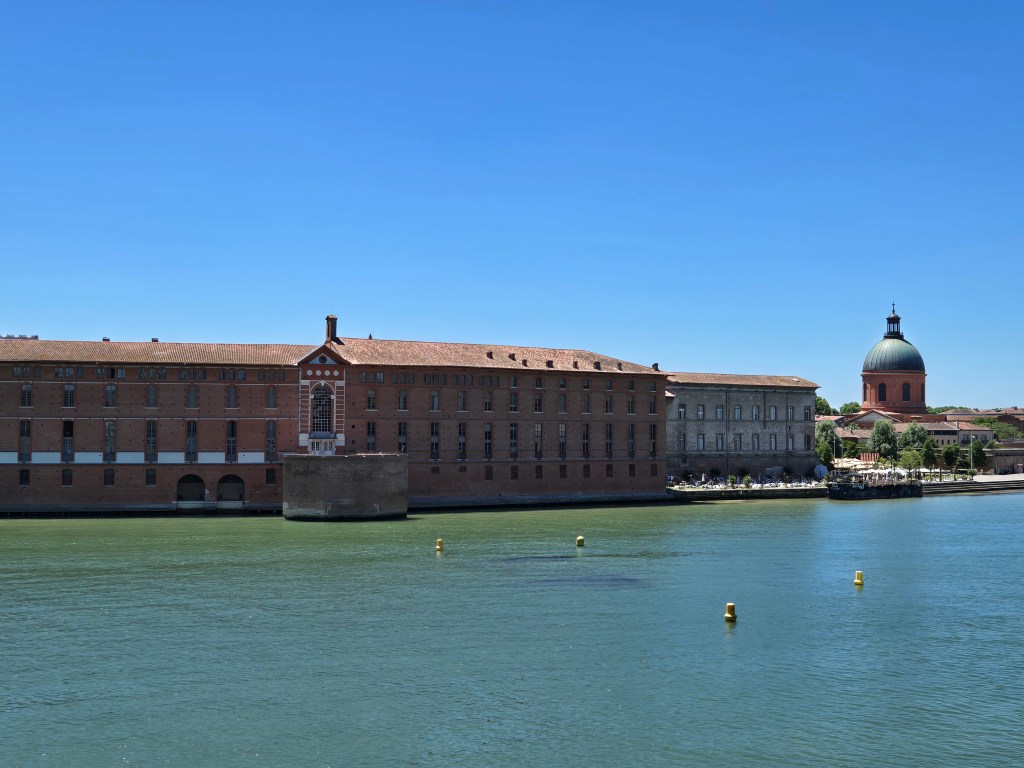
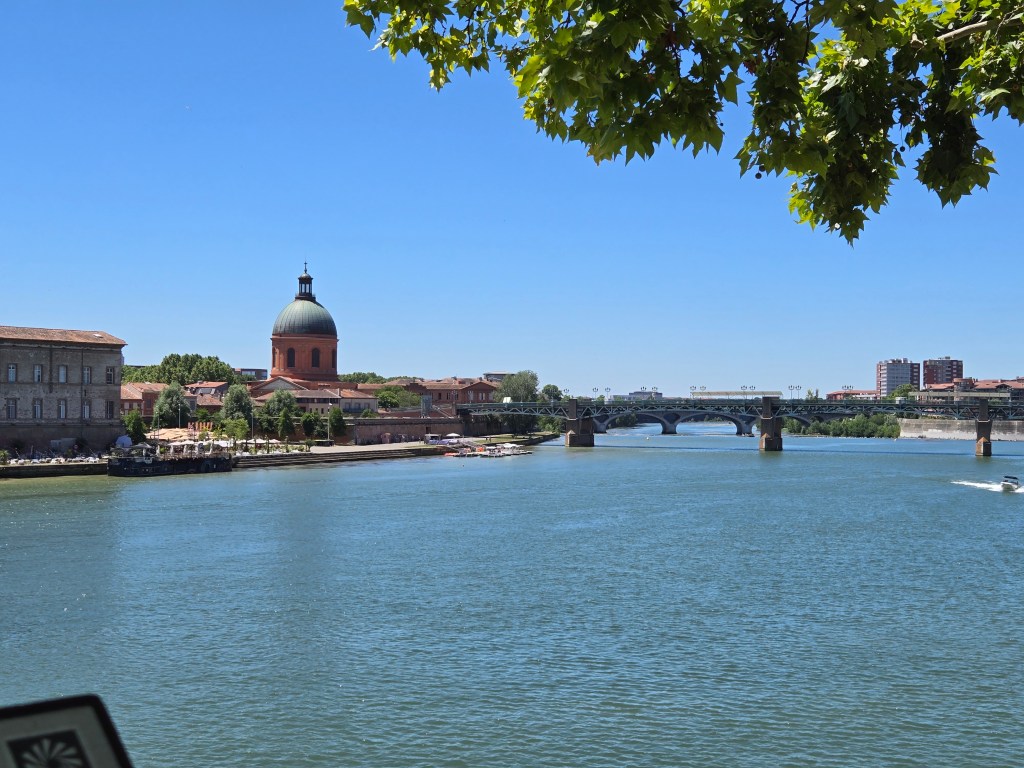
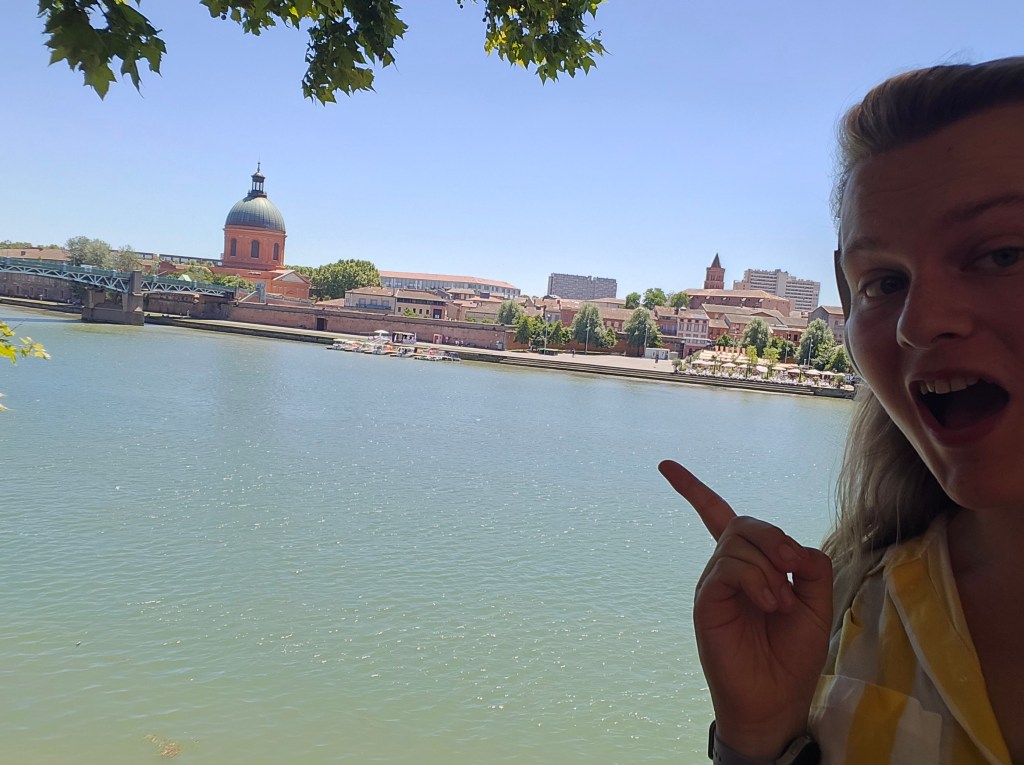
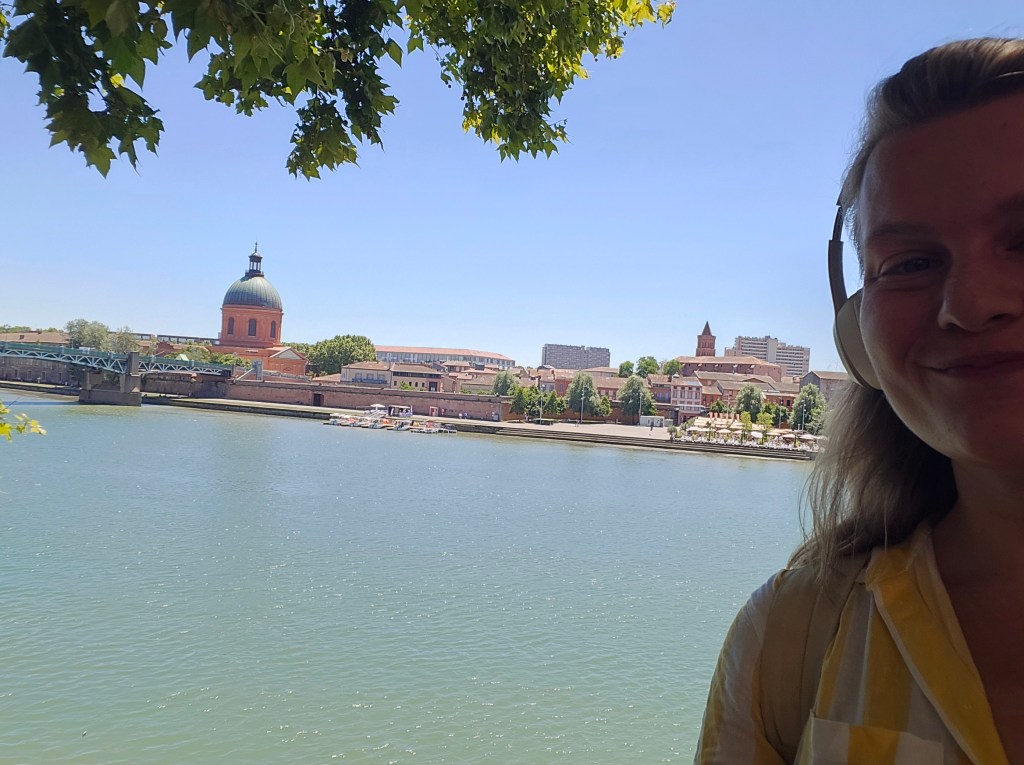
Further along the shore of the Garonne lies the most famous facade of Toulouse, la Hôpital de la Grave (Hospital of the Sand). Named after the sandy shores of the Garonne on which the hospital was built, the origin of the hospital has no official build date as it has been around for over a millenia! Over that time though, numerous parts of the hospital have been built, demolished, and remodelled creating a sort of ‘Ship of Theseus’ situation.
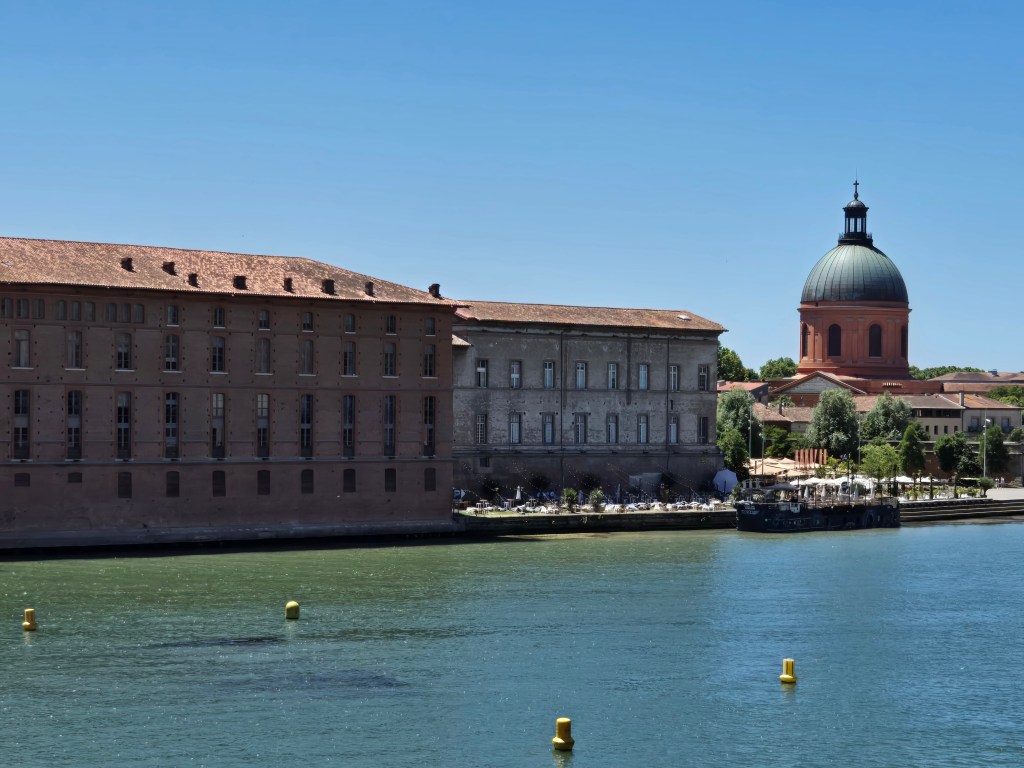
The domed building, known as la Chapelle Saint Joseph de la Grave (Chapel of Saint Joseph of the Sand), was built in the 19th century as a chapel for those within the hospital who were not permitted to leave on account of their diseases. The chapel was also frequently used by the hospital staff, and those staying at the hospital for other reasons such as injuries, or if they were homeless!
The hospital was used completely throughout the 20th century until the University hospital was built in the nearby area of Rangeil in 1975. After this most of the hospitals resources were moved there, and la grave today is mostly used for managing the various hospitals in the Toulouse area.
The buliding spans across about 500 metres of the southern bank of the Garonne, so the best way to see the whole thing is to walk along the northern bank as I did. I even included some excellent pictures of myself enjoying the view of the pink bricks of the structure!
I soon turned off from the riverside path and headed northwards through the city. In addition to the museum and the river, there were still a couple more spots I definitely wanted to see (anything else I saw was just a bonus). Before long I arrived at my next destination…
Jardin Compans-Caffarelli
Translating to Compans-Caffarelli Garden, this city park is named after the district of the city in which it resides, which itself is named after Generals Compans and Caffarelli who served in the Napoleonic wars. This is another of the many Jardins that are dotted around the city of Toulouse increasing the greenness of the city tenfold.
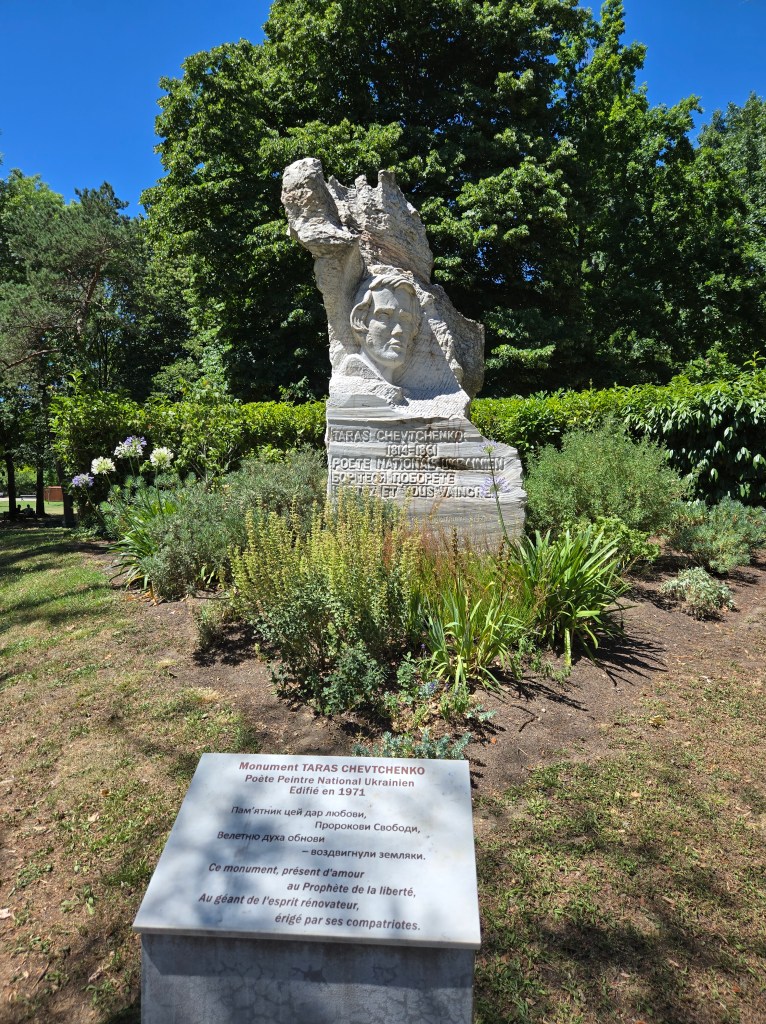
This park contains a medium sized lake in it’s land and frequently hosts music shows on the bank. As well as this there are many monuments and dedications to different people found around the park such as the sculpture of the poet Taras Chevtchenko (Shevchenko in English).
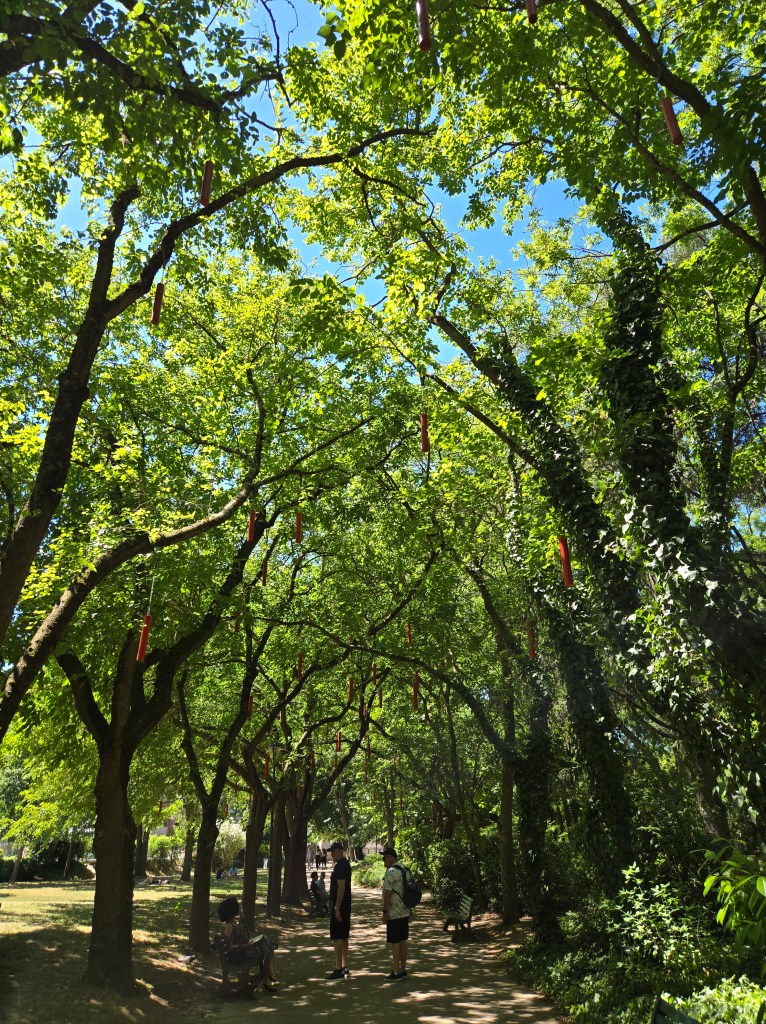
Owing to the numerous trees planted throughout the grounds, the park is almost completely in shade. This means that when I entered the park I was met with an almost wave of cool air and a much lower temperature than the rest of the city.
On the path I took further in to the park, there were many strange red cylindrical objects hanging from the branches of the trees overhead. I couldn’t find any definite information as to what the purpose of these is, but I reckon it has something to do with the next spot on my journey…
Pierre-Baudis Japanese Garden
I love a good Japanese garden, these days you seem to find them dotted all over the place but it still doesn’t make them any less interesting to find! Anyway, here’s the standard interesting facts about it:
Planted(?) in 1981, the garden is named after the then mayor of Toulouse: Pierre Baudis, who commissioned it. The architects ensured they followed the principles of gardens allowing for a ‘harmony between the natural elements’.
The Japanese garden, known in french as ‘la jardin de Japonaise’, contains numerous classic pieces of Japenese gardens such as a pond with Koi fish, red bridge, tea pavilion and a dry garden.
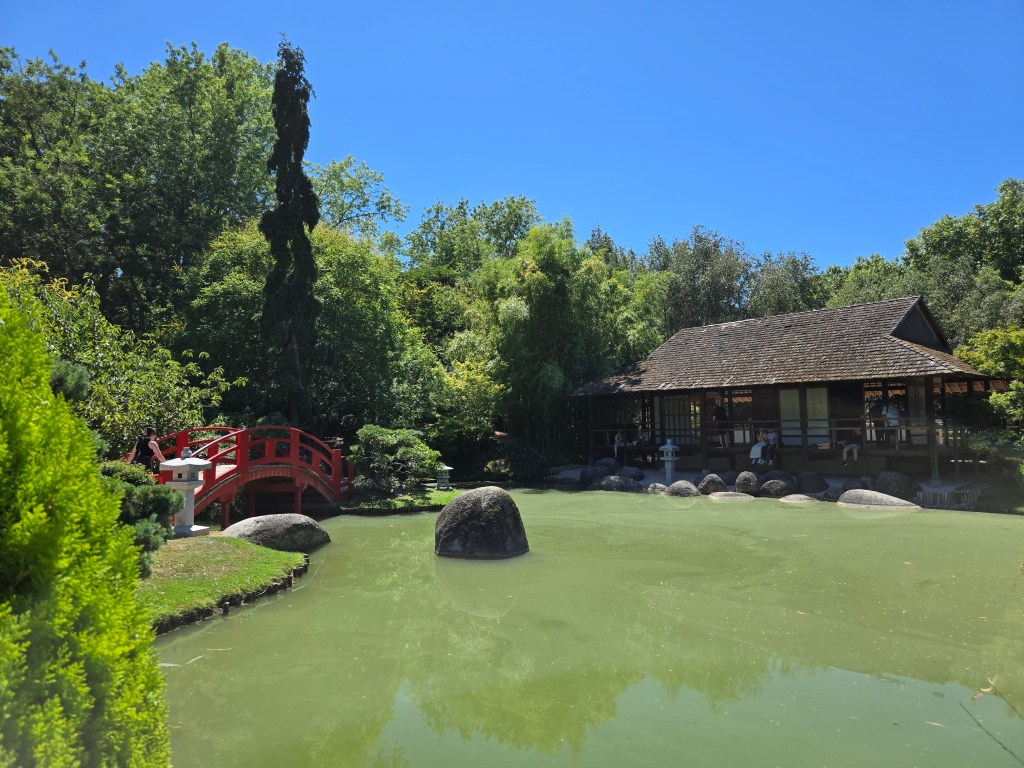
The deck of the tea pavilion was a perfect spot to continue my reading, finally making my carrying around of my book all the time worth it. With the overhanging roof, a classic of Japanese architecture, I was completely in the shade and completely enthralled in my story. After about an hour of relaxing near the pond, I once again continued on my journey.
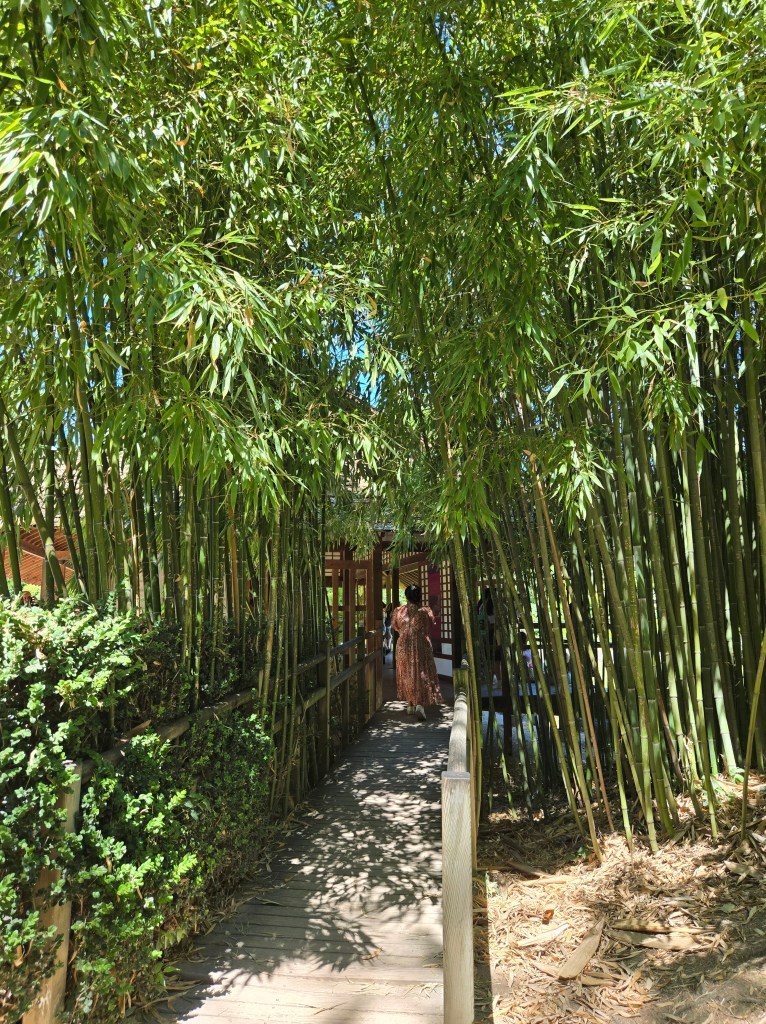
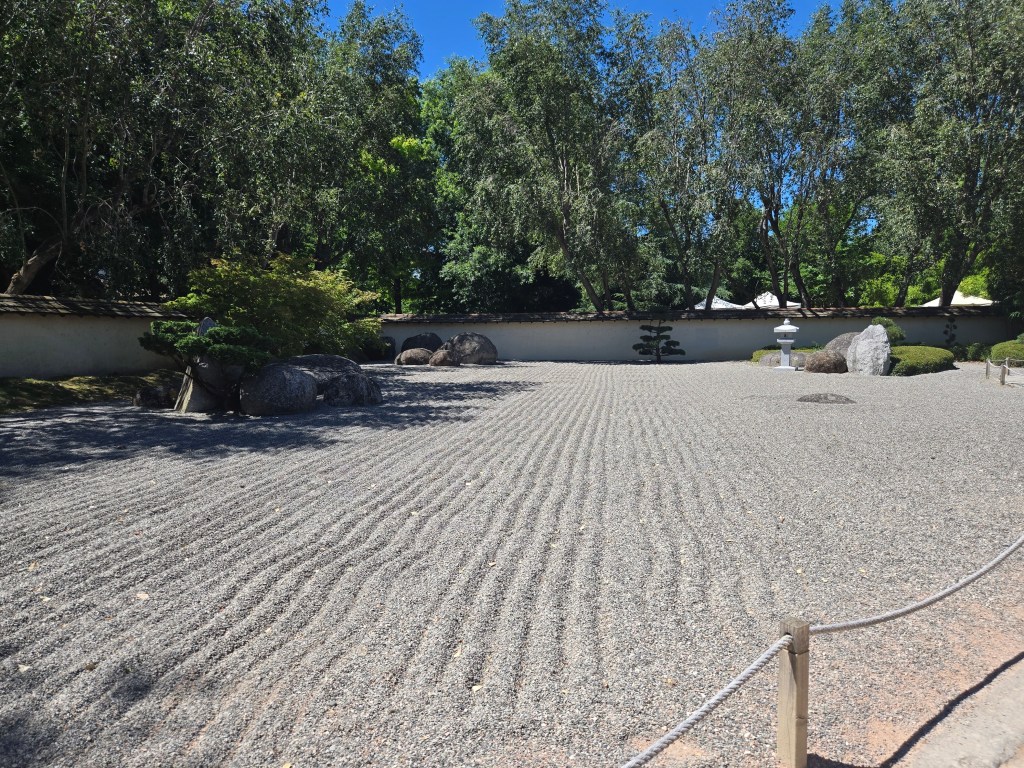
Leaving the park by the East exit, I tried to follow a route more towards the centre of the city. On my adventures so far I’d pretty much walked on the outskirts, seeing some interesting sights for sure, but not some very busy spots. If this is a city I want to start seeing people, so I headed towards the shopping district.
As I walked, I kept seeing signs. Not just regular street signs, but signs specifically pointing towards interesting attractions around the city. A few pointed to things I’d seen such as the hospital and the jardins, but one pointed to something that sounded quite interesting, and that I could see towering over the buildings of northern Toulouse.
La Basilique Saint-Sernin
Everyone loves a good Basilica. I think this now marks the fifth basilica I’ve seen on my adventures so far. I’ll admit this basilica doesn’t really hold a candle to the one I saw in Florence but it’s still quite the feat of architecture.
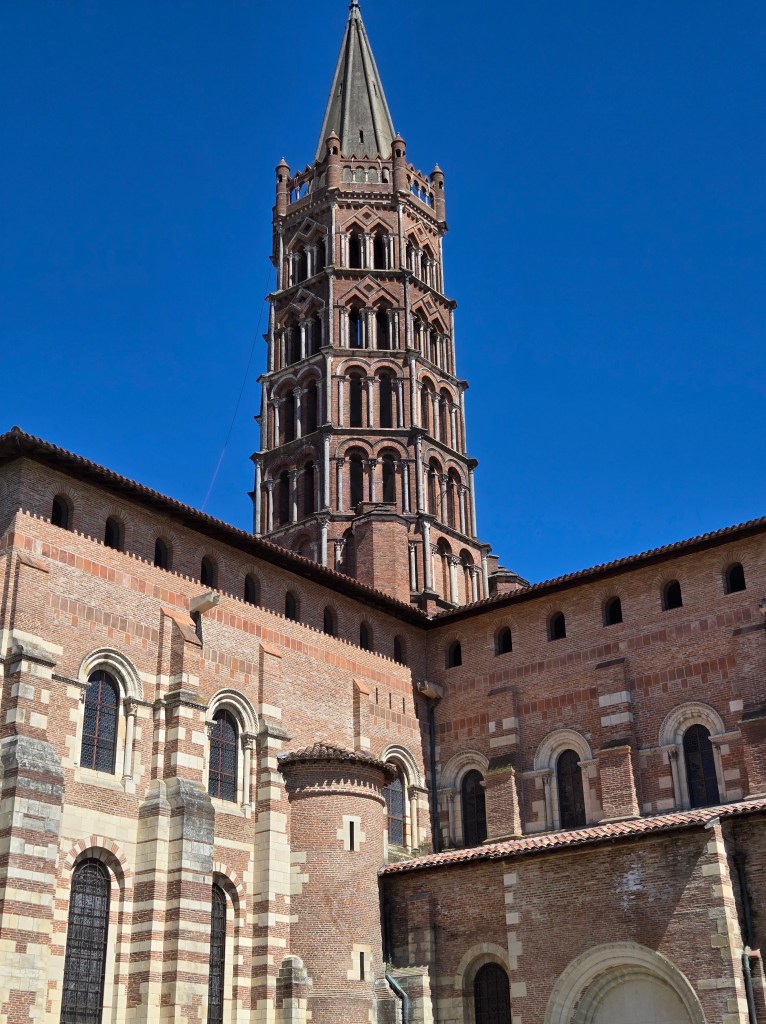
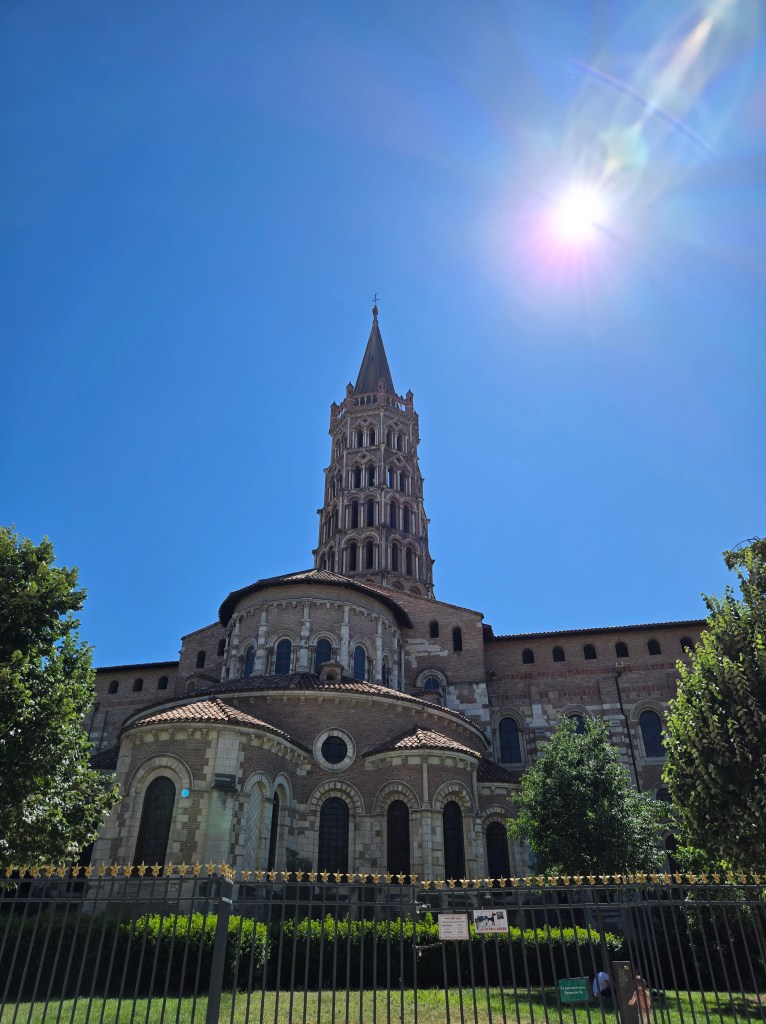
The Basilica of Saint Sernin is located quite centrally to the city of Toulouse and is another major landmark of the city. Built around the 4th century, the basilica was, similar to the hospital, built on the ruins of a previous building of the same purpose which contained the body of the now basilica’s namesake: Saturnin. The basilica used to be part of a large abbey, but over time the rest of the buildings have disappeared leaving just the church where it stands.
The main eyedraw of the basilica is the large conical tower found in the centre of the building. This tower was built in three seperate sections: The first three layers were built in the 12th century, the next two were built in the 13th century, and the final spire was built in the 15th century!
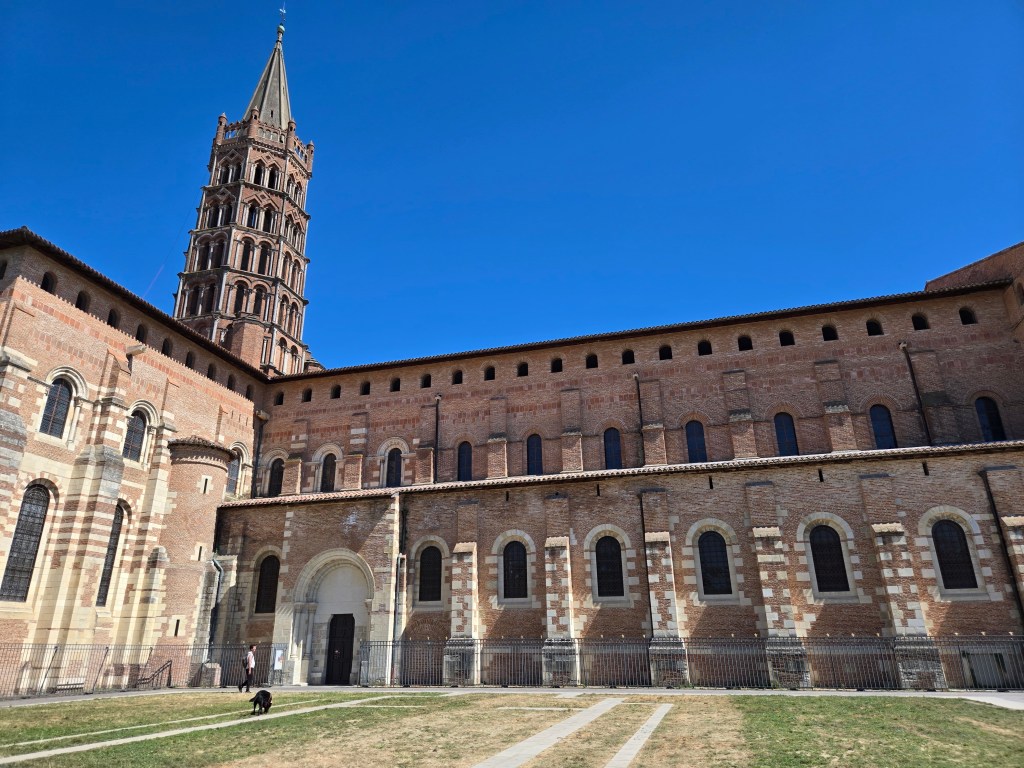
Around the grounds are the remnants of the other abbey buildings, such as the priory which can be seen in the above image. Those white paved parts on the ground show the outline of the buildings which have since disappeared.
Unfortunately, due to the lack of buildings, there wasn’t much shade around the basilica so I didn’t stay long amongst it. I prefered instead to continue my walking under the shelter of trees where I could be sure my skin wouldn’t burn. Nevertheless it was brilliant to gaze upon it for as long as I did!
I continued my journey towards the centre, having to stop occasionally due to part of the city being cordoned off. From the signs I could find, the city around the capitol building wasnt accessible due to something called the ‘final of the top 14’, a rugby match that was quite important. I don’t follow sports too closely, so I’m not sure what that match had to do with the road closure, but it meant I wasn’t able to see the capitol building and instead had to skirt around the roads to other sights.
Le Grand Rond
A popular idea in France is to build green spots wherever possible. This is proven true time and time again by the mini parks they build in the middle of roundabouts throughout the country. One such example is the Grand Rond, a park found in the centre of a roundabout towards the southeast part of the city of Toulouse.
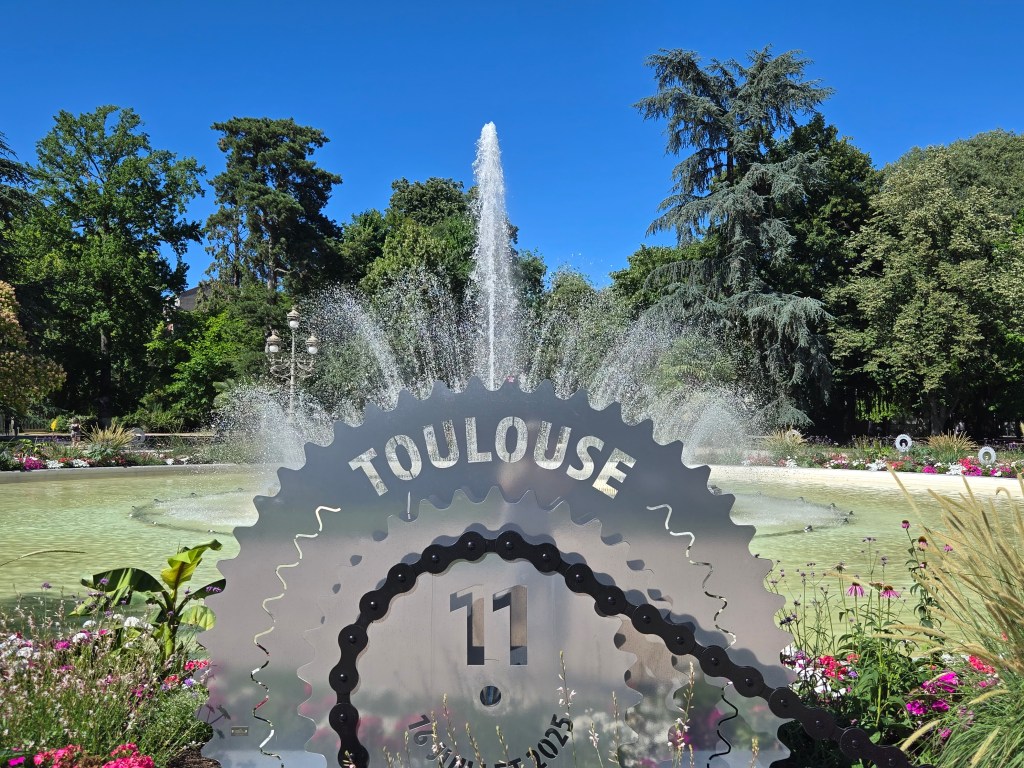
Le Grand Rond, translating literally to ‘The Great Round’, is also known as Boulingrin which translates to ‘Bowling Green’ a popular sport for which the park was originally built in the 18th century. These days the park hosts markets and shows, and contains a large fountain in its centre around which I was able to snap this great picture:
The Path Home
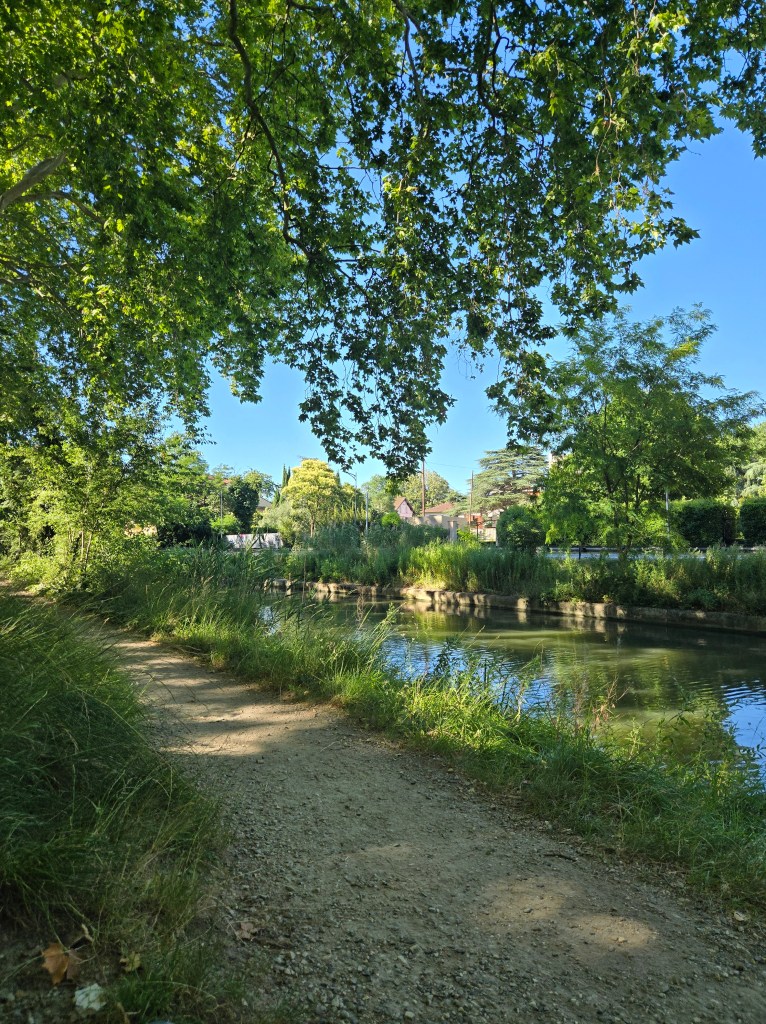
Now, it was time for me to head home. I got the bus in this morning but decided it would be nicer for me to walk back home down the Canal du Midi, despite the late afternoon heat.
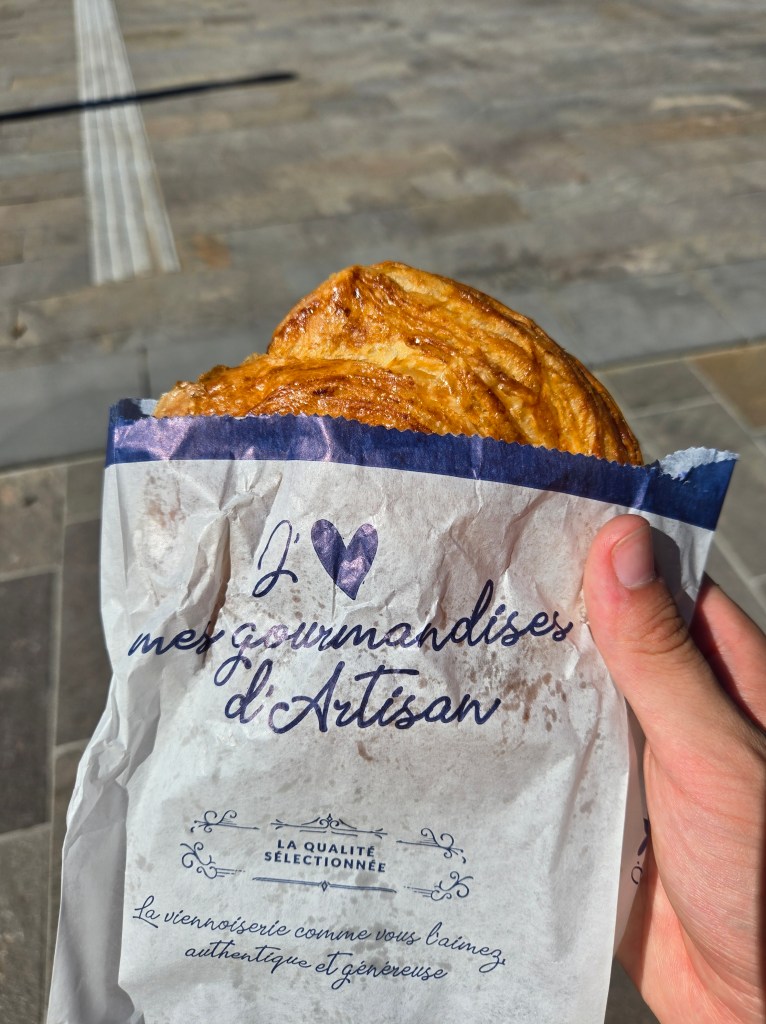
I went to a nearby bakery on my path and bought myself a couple drinks for the journey, and a classic French viennoiserie: Pain aux Raisin! After quickly reapplying my sun cream, I left the city centre and began the long walk back home.
Thanks for joining me on another city adventure! I hope you learned lots about the city of Toulouse today and are maybe considering visiting the city yourself. I’m sure there is so much more to see than the things I showed you today but if you fancy following in my footsteps, I’ll have my map of France up and running soon!
Until the next adventure though, bon appetit!
Cassie


Leave a reply to Le Musée de Toulouse – Cassiopeia Cancel reply